Most people who travel regularly have encountered the same issue. You arrive in a new country, need internet as soon as possible, and then begin searching for a SIM card shop.
The line may be long at times. The prices are not always clear. Sometimes, you are simply too tired to deal with it.
That is why travelers are now comparing eSIM vs physical SIM before they travel.
Both options offer mobile data overseas. However, the experience is quite different. A physical SIM is the traditional plastic card that you insert into your phone. An eSIM is digital and can be loaded onto a compatible device.
For most people with modern travel habits, an eSIM is simpler. Jet eSIM offers travel data plans that you can purchase, download, and use while keeping your existing SIM.
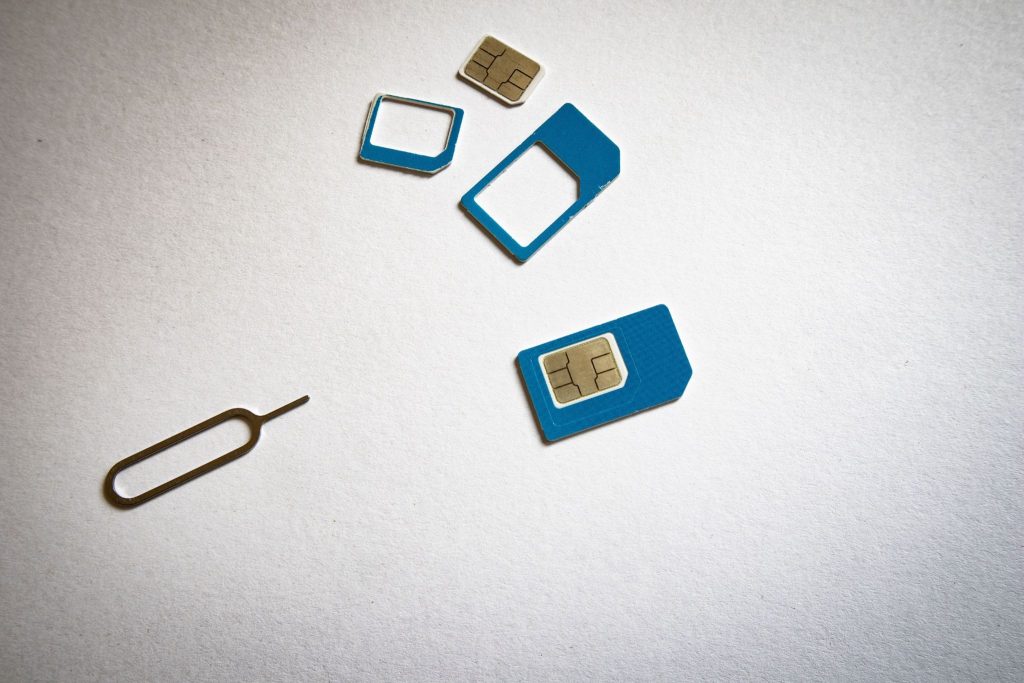
What Is a Physical SIM?
A physical SIM is a card that links your phone to a mobile network.
When going abroad, it is possible to purchase a local physical SIM card in the country you are visiting. It goes into your phone and is used for local phone calls, text messaging, and mobile data, depending on the service plan.
This practice has existed for years and is still effective in many areas.
The issue is that this is not always easy to do. You need to locate a shop, purchase the card, remove your old SIM, insert the new one, and make sure you store your old SIM card safely.
For a traveler who has had a long flight, that may be an added chore at the airport.
What Is an eSIM?
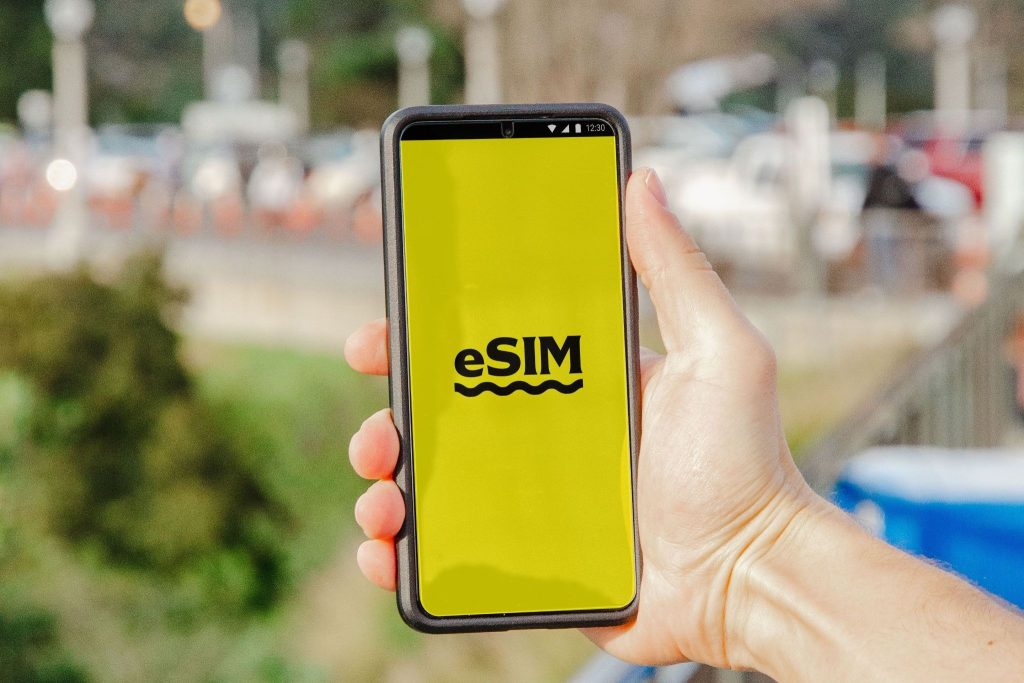
An eSIM is a digital SIM embedded in many of the latest smartphones.
You do not insert a card. Instead, you add the mobile plan through your phone settings. Most travel eSIMs are set up through a QR code or purchase details.
A travel eSIM is particularly handy overseas because you can purchase it before your trip and activate it when you need it.
Jet eSIM international plans allow users to select plans for various countries and receive mobile data without purchasing a physical SIM card.
This makes eSIM an appealing option for tourists, business travelers, families, students, and digital nomads.
eSIM vs Physical SIM: The Main Difference
The main difference is convenience.
A physical SIM requires handling, inserting, removing, and storing. An eSIM is installed digitally and remains on the phone.
With a physical SIM, you may have to remove your home SIM card. This can be risky because SIM cards are small and easy to lose.
One common use of an eSIM is to keep your existing carrier SIM for your primary line and use the eSIM for mobile data while traveling overseas.
This comes in handy if you still need to make calls, receive text messages, get banking alerts, or use WhatsApp on your regular number.
Which Is Easier for Travel?
An eSIM is more convenient for many travelers.
It can be purchased and set up before you leave home if you have a good Wi-Fi connection. On arrival, you can select the eSIM for mobile data and connect by following the plan instructions.
A physical SIM generally needs more work upon arrival. It may require waiting for activation, showing ID, and finding a counter.
If you have a late check-in, are traveling with family, or need instant internet for transport, an eSIM can save time.
Many people are now choosing an international eSIM for trips to Europe, Dubai, the USA, Japan, Thailand, Turkey, Morocco, France, Spain, and more.
Which Is Cheaper?
The cheaper option depends on the country, plan, and amount of data.
It may be possible to get a cheap local physical SIM sometimes, particularly for extended stays. However, airport SIMs may not always be the most cost-effective option for short trips.
With a prepaid eSIM, you can compare plans before your trip, which gives you more control. You know the data amount, validity, and cost beforehand.
It also helps you avoid roaming charges from your home carrier.
For travelers who want to use mobile data overseas without extra roaming charges, an eSIM may be the better option.
For Multi-Country Trips, Which One Is Better?
This is where eSIMs tend to be more useful.
Both options can work if you are only visiting one country. However, if you are traveling between multiple countries, swapping SIM cards several times can become tiring.
A tourist may visit France, Spain, Italy, and Germany in a single Europe tour. Buying a new SIM card in each country can be time-consuming.
A global eSIM or regional plan can make travel smoother because it allows you to use a single digital setup across supported destinations.
If you travel frequently or visit several countries in one trip, Jet eSIM can be useful for you.
Device Compatibility Matters
Before selecting an eSIM, you should first check if your phone is compatible with eSIM.
Many newer iPhones, Samsung Galaxy phones, Google Pixel phones, and other high-end phones support eSIM. However, compatibility can vary by model, country, and carrier.
Your phone must also be unlocked. If your device is locked to a specific carrier, some mobile plans may not work.
You can check the setup guides for iPhone eSIM setup and Samsung eSIM setup with Jet eSIM before traveling.
When a Physical SIM Still Makes Sense
A physical SIM is not a bad option. Some travelers may still find it useful.
For those planning to stay in one country for a few months, a local physical SIM card might be a good long-term option. If your phone does not support eSIM, it can also be helpful.
Others choose physical SIM cards because they are more familiar with them.
So, it is not that physical SIMs are bad. They are simply not as convenient for many short trips or multi-country journeys.
When an eSIM Is the Preferred Option
An eSIM saves time, avoids airport SIM counters, keeps your regular SIM active, and lets you prepare your data before the trip.
It is also more convenient if you are moving around a lot and do not want to buy a SIM card in every country you visit.
For business travelers, an eSIM can help keep work apps, email, maps, and ride bookings available.
For tourists, it simplifies maps, tickets, hotel apps, and messages from the moment they land.
Families can also set up their own plans in advance if their phones are compatible.
Common Mistakes to Avoid
The most common mistake is purchasing an eSIM without checking phone compatibility.
Another mistake is selecting a plan without confirming destination coverage. Always check that the country or region you are visiting is included.
Some travelers also install the eSIM too late. It is better to install it before traveling when you have a good internet connection.
Another common issue is not enabling data roaming for the eSIM line. This is required for many travel eSIMs to work with partner networks in other countries.
Also, do not remove the eSIM too soon. Certain eSIM QR codes can only be used once.
Final Thoughts
You should compare eSIM vs physical SIM based on your phone, destination, trip duration, and travel type.
For longer trips or older phones, a physical SIM card can work fine.
However, for the majority of travelers these days, an eSIM is simpler, quicker, and more convenient.
When traveling abroad and trying to avoid physical SIM swaps or high roaming fees, Jet eSIM is a smart choice.
You can select your plan before you travel, download it, and start using it when you arrive.
FAQs
Is eSIM more convenient for traveling than a physical SIM card?
Yes, for many travelers. An eSIM is easier because you can download it digitally, keep your existing SIM card, and avoid buying a physical SIM on arrival.
Is it possible to use eSIM and physical SIM at the same time?
Yes, many compatible phones allow you to use both. You can continue using your regular SIM card for calls and texts while using Jet eSIM for mobile data overseas.
Is it more affordable to use an eSIM than a physical SIM card?
This depends on the destination and the plan. A prepaid eSIM may be easier to manage for short trips and multi-country travel.
Do I need Wi-Fi to install an eSIM?
Typically, an eSIM must be installed with Wi-Fi or mobile data. It is best to install it before traveling.
Is it possible to use Jet eSIM for international travel?
Yes, Jet eSIM provides mobile data plans for international travel and many countries worldwide.